
top of page
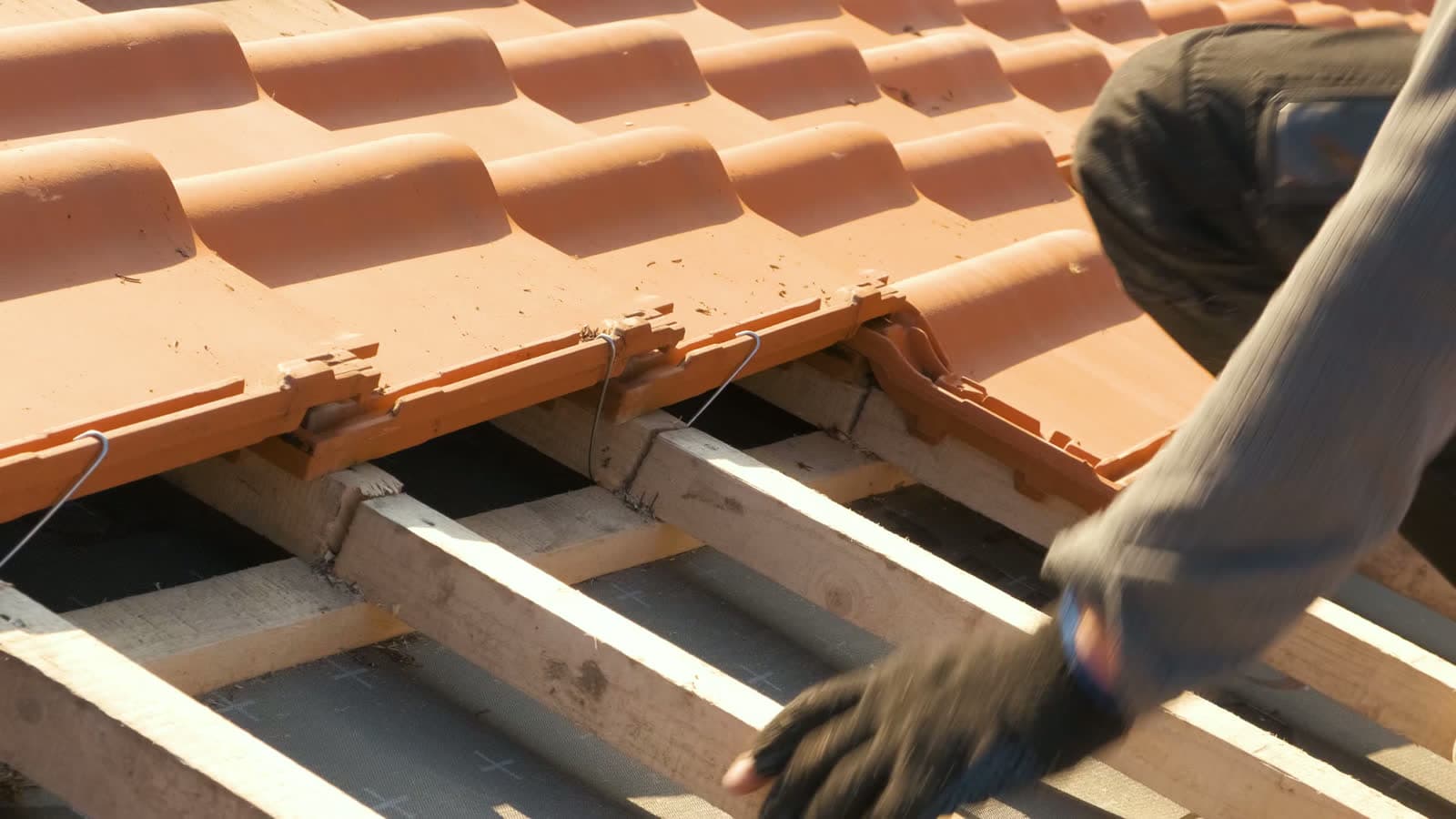
Closeup of worker hands installing yellow ceramic roofing tiles mounted on wooden boards c

 VercoTex Innovations

download.jpg

Engineered for Harsh Candian Climates

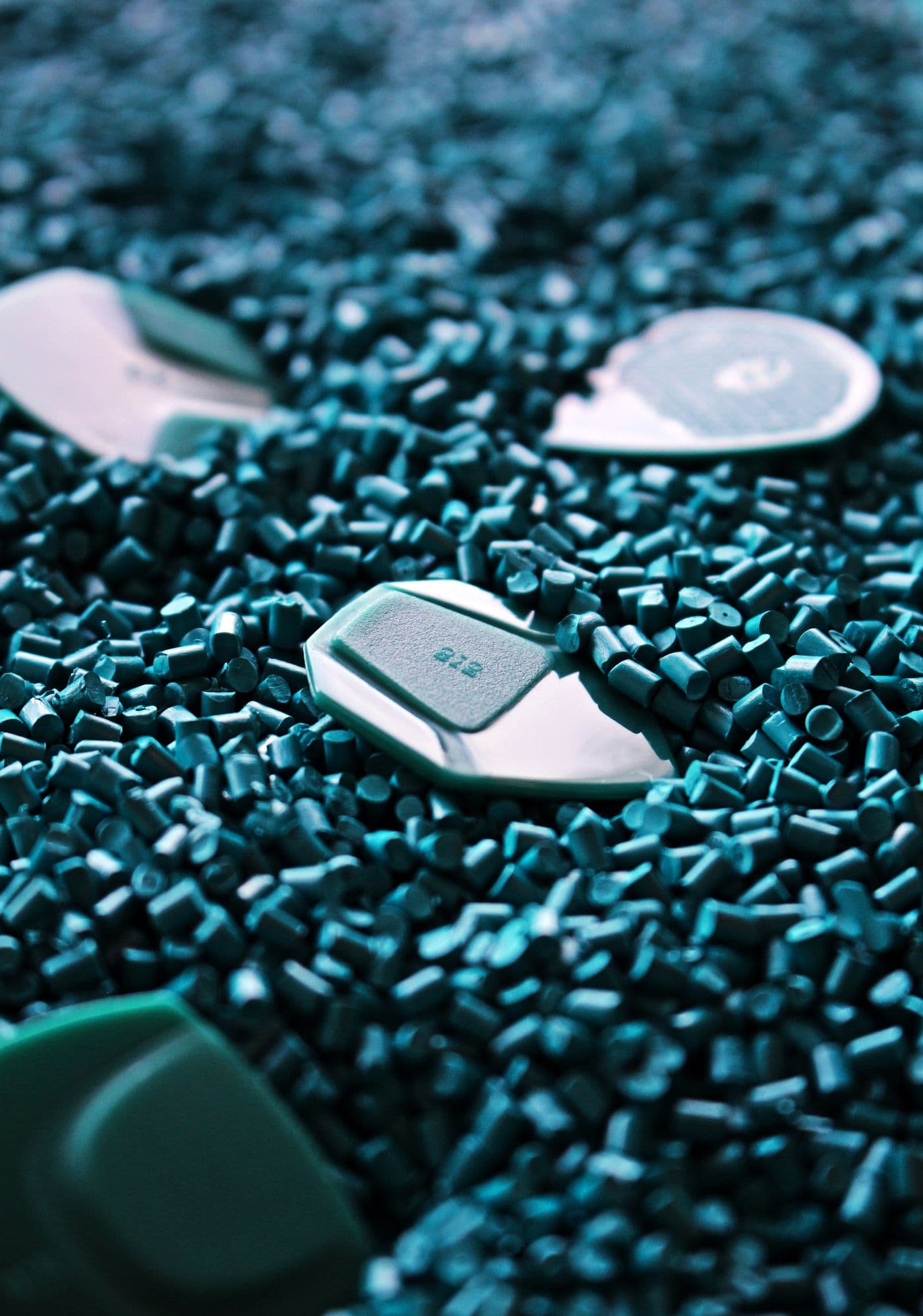
VercoTex shingles are specifically developed to withstand the impact of severe hail storms across the Canadian prairies. Our advanced composite technology dissipates impact energy, preventing cracks and granular loss that lead to premature roof failure.

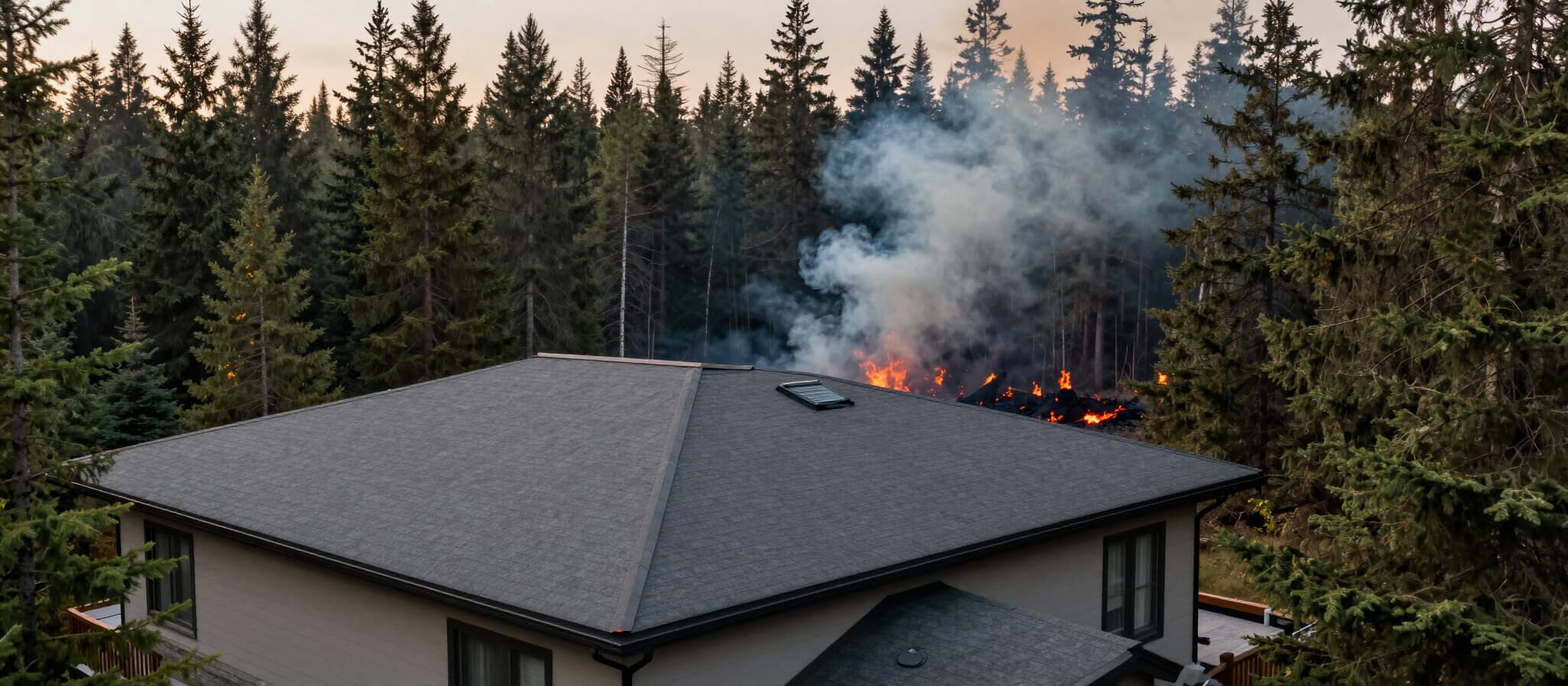
Class A Fire Performance

VercoTex shingles are Class A fire rated, providing the highest level of protection for homes at the wildland–urban interface. Our fire-resistant composite technology creates a critical barrier against heat and embers, helping to safeguard communities in wildfire-prone regions.

Hail-Storm-Damaged-Roof.jpg

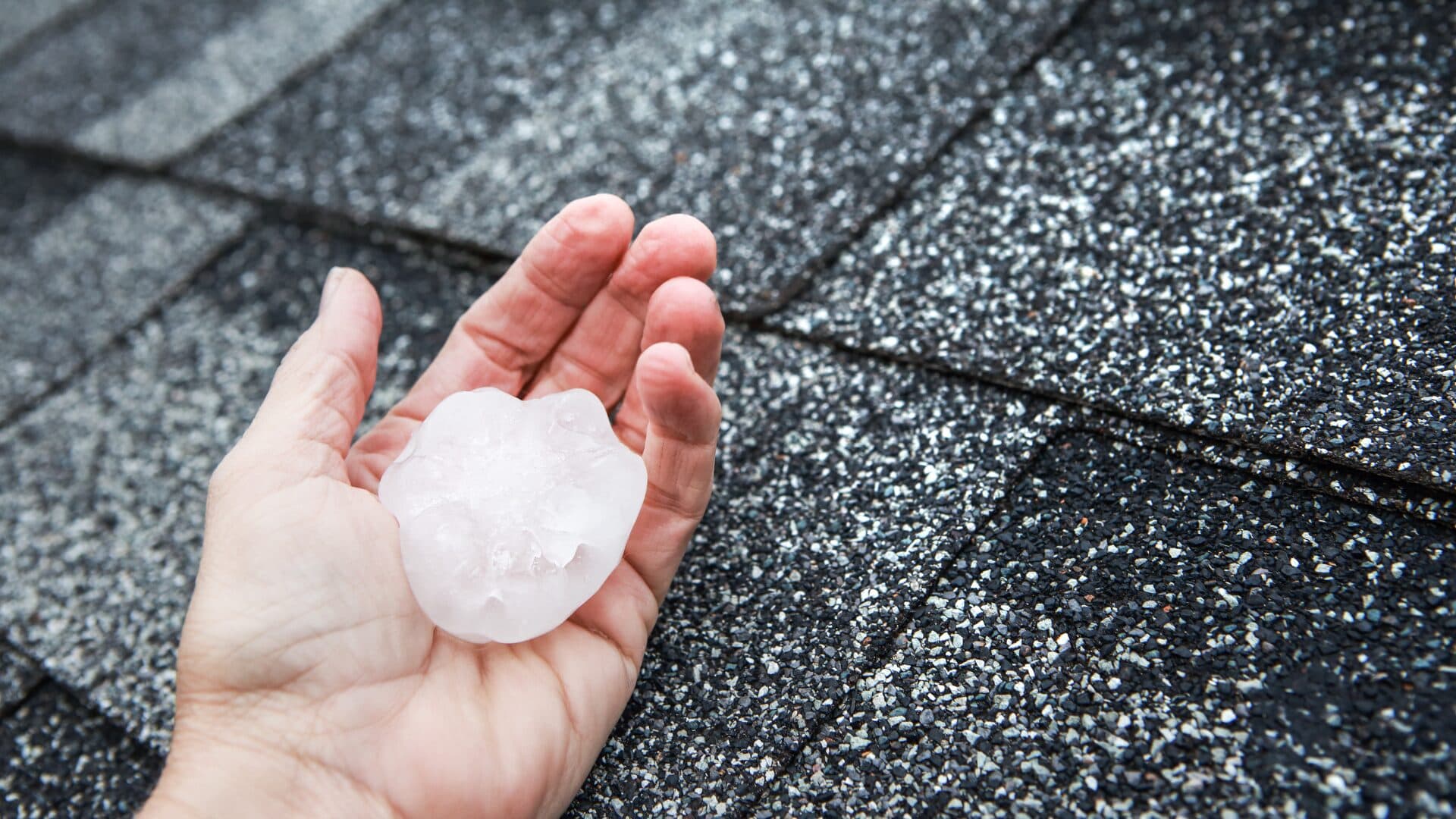
Class 4 Impact Performance: Ultimate Hail Defense:

In Canada’s harshest hail zones, Class 4 impact resistance isn’t just a rating—it’s peace of mind. As the highest impact rating available for roofing shingles, it guarantees superior hail resistance that protects your home while potentially lowering insurance premiums and extending the life of your investment.

Strategic Partnerships

We collaborate with industry leaders and academic institutions to drive innovation and local economic growth.

saskpoly.png
innovation.png
ai-generated-IMAGE.jpg
Saskatchewan Polytechnic

Partnering on technical research and skills development to empower the next generation of manufacturing professionals.

Innovation Saskatchewan

Driving technological advancement through strategic funding and support for sustainable manufacturing solutions.

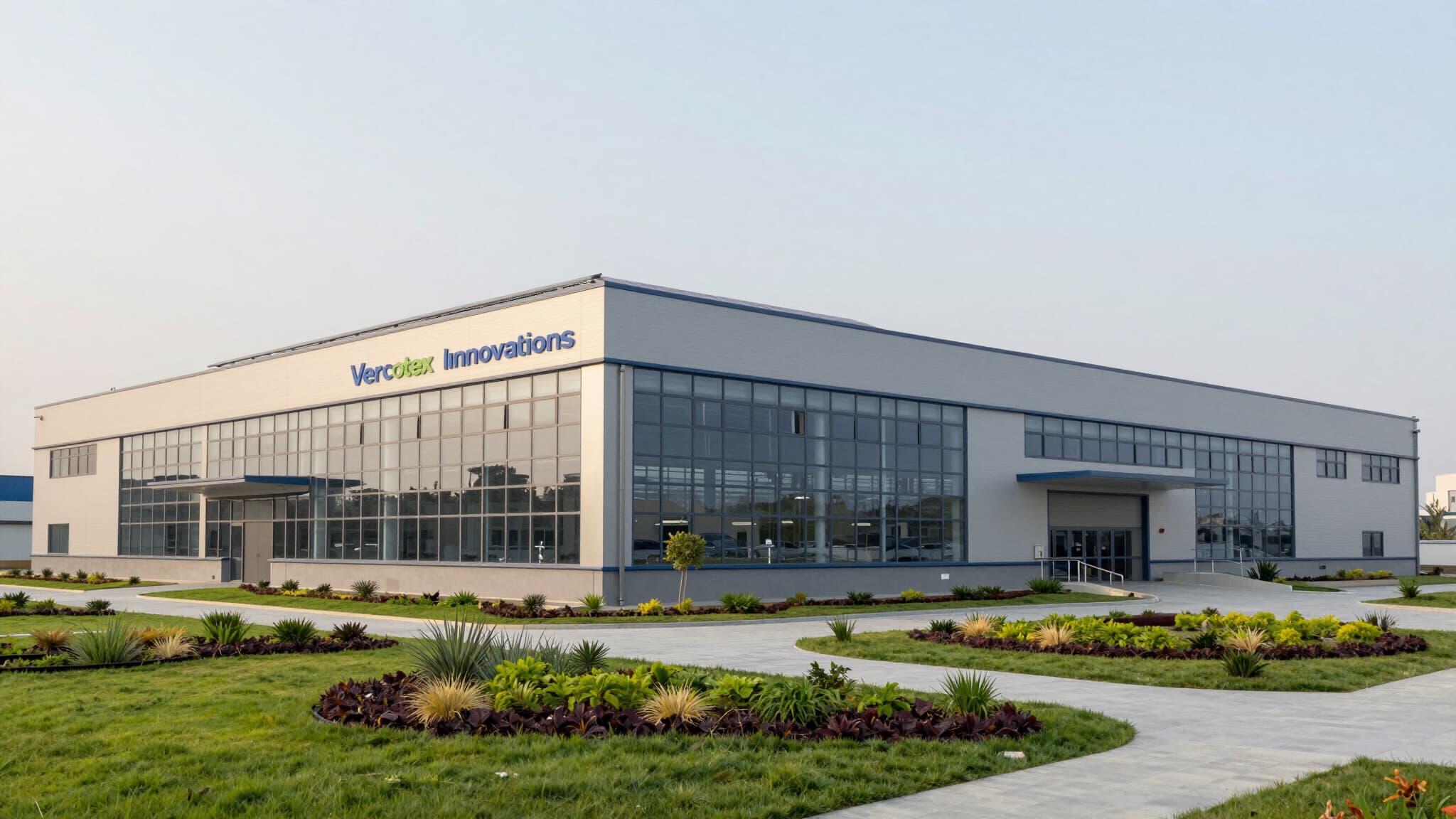
Manufacturing Plant

Our core production facility, utilizing cutting-edge techniques to deliver climate-resilient roofing products.

Environmental Impact Metrics

1,575

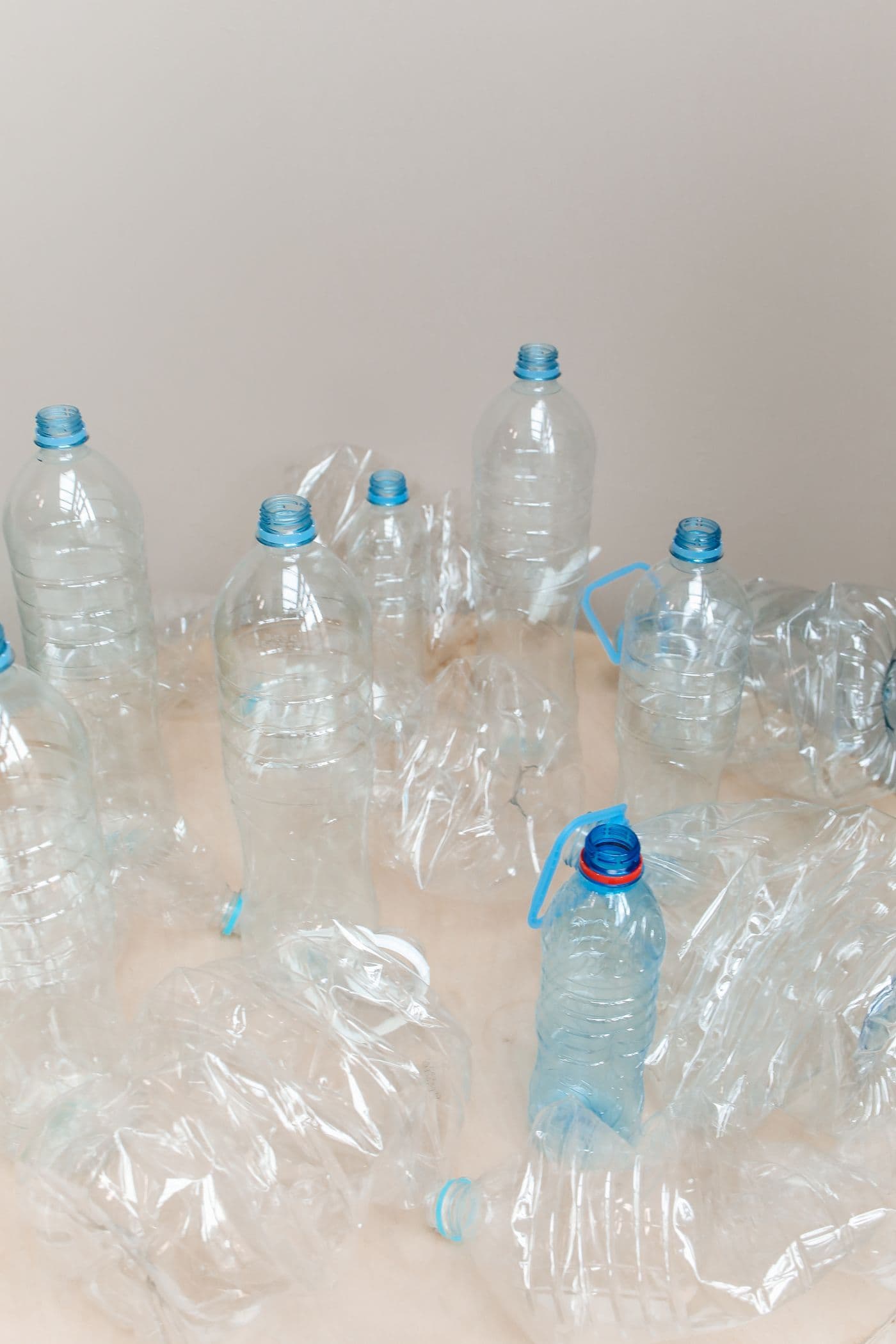
Tonnes of Recycled Plastic

Utilized in production to divert waste from landfills and circularize our manufacturing supply chain.

< 5%

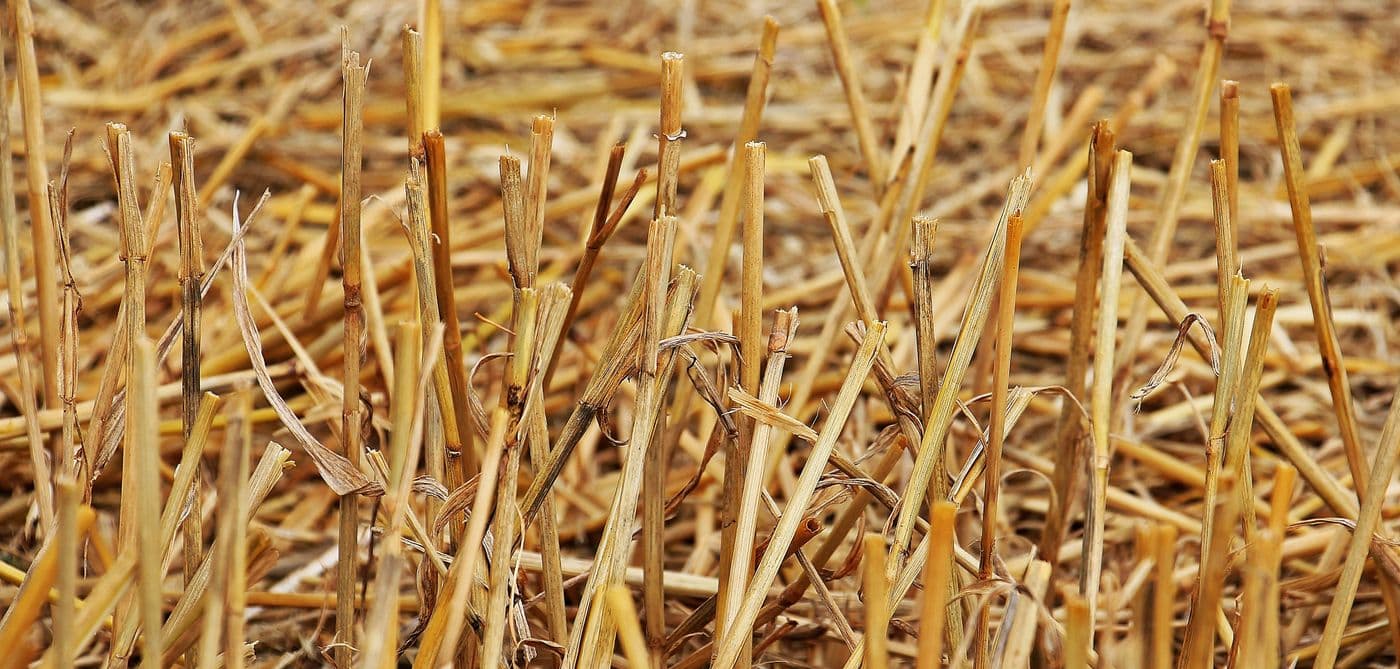
Local Biomass Supply

175 tonnes of agricultural biomass used at pilot scales, representing a sustainable, low-impact resource utilization.

50–80%

Carbon Emission Reduction

Reduction in embodied carbon emissions during installation compared to traditional asphalt solutions.

bottom of page